Tag: New Media

Katine: Is this "the" nptech experiment?

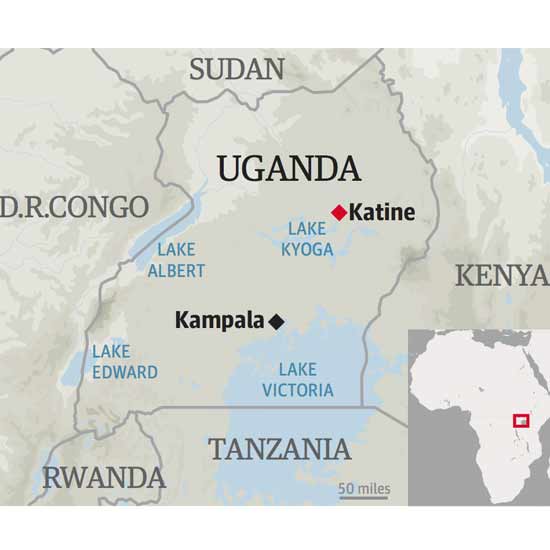
The Guardian’s newly declared 3 year commitment to the village of Katine in Northern Uganda is an ambitious project using the principles of nptech. Guardian editor Alan Rusbridger sets out the three ways he think their long term online work for the community should work:

Get the STORY out there. To quote Rusbridger the newspaper (with less paper and more digits I hope) can “report, record, explain, contextualise, illuminate and analyse… explore the complexities of trying to help communities such as Katine in a sustainable way. It should be able to get beyond the sloganising and occasional yah-boo politics of the development debate.”

FUNDRAISE. Like any busy website the Guardian “can involve a huge community of readers and web-users around the world and find ways of linking them in to what we’re doing. We’ll need money obviously.”

and CROWDSOURCE “just as importantly we need advice and involvement. Among our readers are water engineers, doctors, solar energy experts, businessmen and women, teachers, nurses, farmers. We absolutely don’t need a stampede of volunteers, but we would like a technical know-how bank of people who are prepared to offer time and advice. We’ll let you know how to get involved as we go.

Alan Rusbridger adds a fourth, visibility. “Katine and its problems barely register in the capital, Kampala. Some local officials worry that, because it is an area where the political opposition to Mr Museveni’s NRM party is strong, Katine’s problems may not have been among the government’s highest priorities.” What interests me about this is that the potential of the net to apply funds and expertise means that this community could remain ignored in Kampala whilst highly visible elsewhere.

This got me thinking about applying these principals in our own towns and cities. Our own podcast, the Grassroots Channel, has focussed on active citizens and the work they do in neighbourhoods in Birmingham.

But we have not focussed on one neighbourhood and the things we can learn/change from deeply understanding one place. Neither has any local news organisation I’ve ever worked for or know of. Of course some of the poorest parts of our city have had reams written about them; hours filmed and recorded there. But never with the main purpose of the applying the knowledge and resources of the readership for the benefit of that community. Curiously enough though this is exactly what good active citizens do: they get under the story of their neighbourhood – using the stories to decide what to do next and how to convince people to join them.

Elsewhere on the web: The Register is much more cautious than I, sceptical it will accomplish no more than fundraise. Paul Bradshaw is (rightly) excited by such a tangible application of journalistic crowdsourcing, whilst adding a list of how it can be improved – including better use of rss, embeddable video, a clearer way of involving the expertise thrown p (could a wiki with digg buttons help evolve and elevate innovations and the people behind them). The paper also needs to be generous with linking to and talking about these supporters, which works.

This Mad Kenyan Woman finds the whole premise offensive: “I was somewhat displeased, to say the least, to find that the Guardian thinks this Ugandan village exists in a time-warp. Indeed, Guardian readers are invited to lift these poor suffering villagers out of the Middle Ages into the twenty-first century by their generous donations. I could not make this up if I tried…”

B:cen launches Youtube Channel.

Three films which set out how diversity networks are supporting active citizens in Birmingham are the launch videos for the Youtube Channel for the Birmingham Community Empowerment Network. The diversity networks were the subject of quite a strong appeal from the Bishop of Birmingham – who argued on the Grassroots Channel that they should be supported, not allowed to wither.

B:cen (which has employed me on a freelance basis for a good three years) will lose all of it’s funding from November this year, and is now campaigning to try and persuade Birmingham City Council and the Birmingham Strategic Partnership to continue to support the networks (not b:cen as a body) established in neighbourhoods in the city and by groups of shared interest across the city.

Back to the videos, made by another local community film maker Rachel Smith with interviews by Paul Slatter. One is about the Podminions podcast channel which I share purely because I agree with everything they say (and vanity)…

but I think my favourite happens to be Mark on the Disability Network – ‘cos he’s always made compelling arguments for networks as a tool for strengthening communities…

If you want to keep tabs on more films as they are put up, go to the channel page and use the subscribe button to stay up to date.

Alicia Silverstone, nakedness and Peta – the dream online/offline charity campaign?

alicia-silverstone-peta

I’m agog at how effectively the US/UK non-profit People for the Ethical Treatment of Animals is at using online media combined with conventional marketing techniques.

They have produced a gorgeous looking advert (which is only available through their site and yes it is right by a donate button and some very slick lifestyle advice to encourage you to become vegetarian) showing a naked Alicia Silverstone (I’d never heard of her before – but then I was barely aware of Peta!).

The ad also has that other critical element a simple, concrete, surprising and compelling story: Stop eating animals and you too could look like this!

All that should be compelling enough, but what has made this such a wonderful campaign though is that the nudity has led to a TV station in houston banning the ad, as they explain on their blog:

We had picked Houston because it consistently ranks in the top ten least healthy cities in the country, so we figured they could use some good diet advice (honestly, who in their right mind would turn down friendly diet advice from the beautiful Alicia Silverstone?), but Houstonians need not despair. As PETA President Ingrid Newkirk puts it,

“Houston viewers can still go to PETA.org and get an eyeful, not only of the stunning Ms. Silverstone, but also of our free Vegetarian Starter Kit—chock full of delicious recipes—that will make them drool for an entirely different reason.”

It’s not the first time Peta has used nudity – they also pull a wonderful stunt each year just before the Pamplona Bull run by staging the Running of the Nudes (thanks catnip for the post which set me off on this) and other people have disrobed for them. If it all sound too frivolous then why not look at the stories they tell with video on petatv an their youth campaign in the uk called peta2 which uses the tagline “question authority”.

I do though have to add two qualifiers. I couldn’t get the embed video on your blog code to work for me and is it possible that I’m only really enthusing about this because I’m a bloke? That aside I’d love to see some figures about how far this effort helps fund raising and changes some behaviour, but I expect this substantial investment will pay off.